Maintaining healthy blood flow is crucial for overall well-being. Poor circulation can lead to various health issues, including fatigue, cold hands and feet, and even cardiovascular disease. Fortunately, incorporating certain foods into your diet can help improve vascular health and boost circulation.
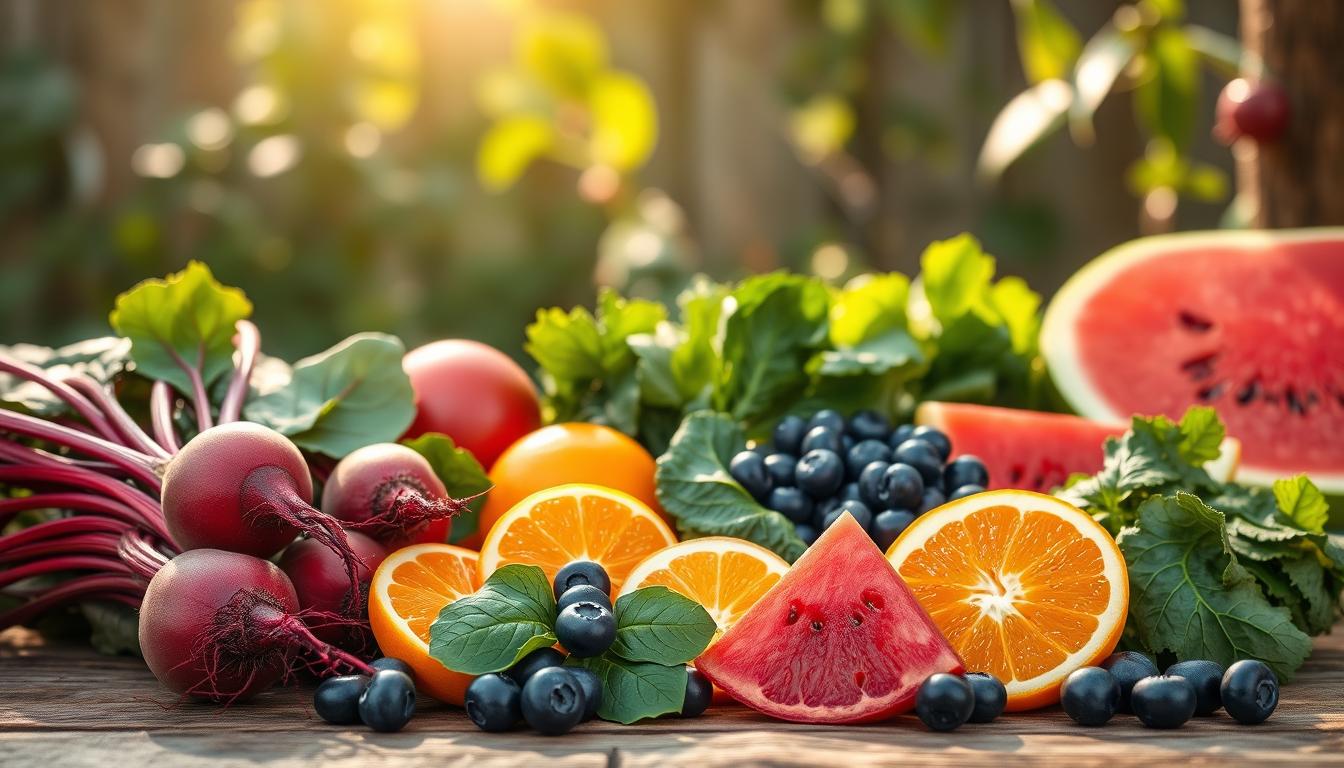
Nature provides us with an array of circulation-boosting foods that can enhance our overall health. Foods rich in nitrates, antioxidants, and flavonoids, such as beets, berries, and citrus fruits, have been shown to support heart health and improve blood flow. By making informed dietary choices, you can take a proactive approach to maintaining healthy circulation.
Key Takeaways
- Incorporating circulation-boosting foods into your diet can enhance overall health.
- Foods rich in nitrates, antioxidants, and flavonoids support heart health.
- Dietary changes can help improve blood flow and vascular health.
- Nature provides a variety of foods that can boost circulation.
- Making informed dietary choices supports overall well-being.
The Vital Role of Healthy Blood Circulation
Maintaining healthy blood circulation is vital for the body’s optimal functioning. Healthy blood circulation ensures that oxygen and nutrients are delivered to cells and organs, while also removing waste products.
How Circulation Affects Your Overall Health
Good circulation is essential for maintaining the health of various bodily systems. It supports the cardiovascular system by ensuring that the heart receives the oxygen it needs to function properly. Moreover, proper circulation aids in the healing process by delivering white blood cells to areas that need repair.
Common Signs of Poor Circulation
Poor circulation can manifest through various symptoms, including:
- Cold hands and feet
- Numbness or tingling sensations
- Muscle cramps
- Swelling in the legs and feet
These signs indicate that the body, or a specific part of it, is not receiving adequate blood flow.
Why Food Matters for Vascular Health
Diet plays a significant role in maintaining vascular health. Consuming foods rich in certain nutrients can help improve circulation. For instance, foods high in antioxidants and nitrates can enhance blood flow and overall vascular function.
Nourishing your body with the right foods can significantly impact your circulatory health. By incorporating circulation-boosting foods into your diet, you can take a proactive approach to maintaining healthy blood circulation.
Nutrients That Support Optimal Blood Flow
Healthy blood flow is essential for the body’s overall function, and certain nutrients are key to achieving it. A well-balanced diet rich in specific vitamins, minerals, and antioxidants can significantly support vascular health and enhance circulation.
Essential Vitamins for Circulation: Vitamin C, E, and B Complex
Vitamins play a crucial role in maintaining healthy blood vessels. Vitamin C is known for its ability to strengthen blood vessel walls, while Vitamin E protects against cell damage. The B complex vitamins, particularly B6, B9, and B12, help regulate homocysteine levels in the blood, which is associated with vascular health.
Minerals That Enhance Vascular Function: Potassium, Magnesium, and Iron
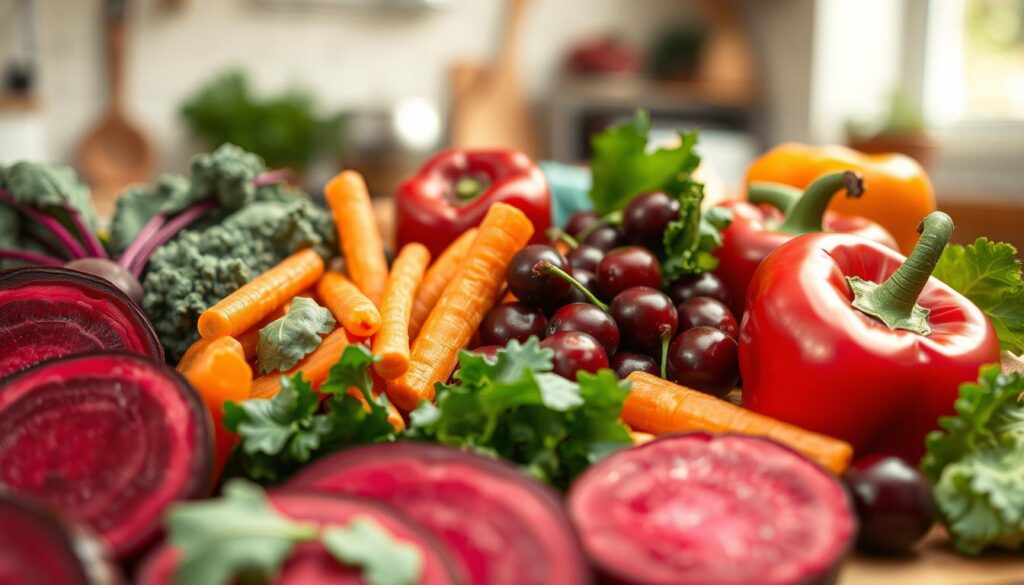
Minerals are equally important for circulation. Potassium helps lower blood pressure by balancing sodium levels. Magnesium supports blood vessel relaxation, improving blood flow. Iron is vital for healthy red blood cells, which carry oxygen throughout the body.
Antioxidants and Their Protective Effects
Antioxidants protect the body from oxidative stress, which can damage blood vessels and impair circulation. Foods rich in antioxidants, such as fruits and vegetables, help maintain vascular health by reducing inflammation and preventing damage to blood vessel walls.
Fruits and Vegetables That Improve Blood Circulation
Incorporating specific fruits and vegetables into your diet can significantly enhance blood circulation. These foods are rich in plant compounds that promote vasodilation and improve vascular health.
The relationship between diet and circulation is well-supported by research. Certain fruits for circulation and vegetables for blood flow have been identified as particularly beneficial.
How Plant Compounds Enhance Blood Flow
Plant compounds such as flavonoids, nitrates, and antioxidants play a crucial role in enhancing blood flow. These compounds help to relax blood vessels, reduce inflammation, and improve overall vascular function.
The Science Behind Food and Vasodilation
Vasodilation is the process by which blood vessels widen, allowing for increased blood flow. Certain foods trigger this process by releasing nitric oxide, a key molecule involved in vasodilation.
“A diet rich in fruits, vegetables, and whole grains can help to improve blood flow and overall cardiovascular health.”
Research on Dietary Approaches to Circulation
Studies have shown that dietary approaches can significantly impact circulation. For example, a diet rich in nitrates, found in leafy greens like spinach, can improve blood flow.
| Fruit/Vegetable | Benefit |
|---|---|
| Leafy Greens | Rich in nitrates, improving blood flow |
| Berries | High in antioxidants, reducing inflammation |
| Citrus Fruits | Rich in vitamin C, supporting vascular health |
Berries: Nature’s Circulation Superfoods
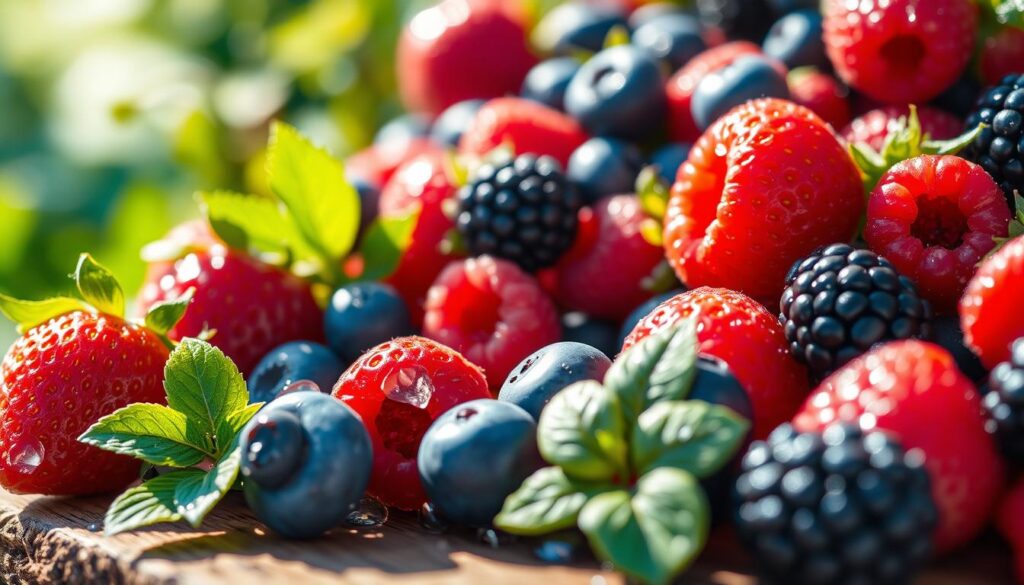
The consumption of berries has been linked to improved circulation, thanks to their high content of beneficial compounds like anthocyanins and flavonoids. Berries are rich in antioxidants, which play a crucial role in maintaining vascular health and promoting optimal blood flow.
Strawberries, Blueberries, and Blackberries
Among the various types of berries, strawberries, blueberries, and blackberries are particularly noteworthy for their circulation-boosting properties. Strawberries are rich in vitamin C, which supports overall vascular health. Blueberries are packed with anthocyanins, powerful antioxidants that have been shown to improve blood flow. Blackberries are another excellent choice, offering a mix of fiber, vitamins, and minerals that contribute to healthy circulation.
Anthocyanins and Flavonoid Benefits
Anthocyanins and flavonoids are key compounds found in berries that contribute to their circulation-enhancing effects. Anthocyanins have been shown to improve blood flow by reducing inflammation and improving the function of the endothelium, the lining of blood vessels. Flavonoids, on the other hand, help to relax blood vessels, improving circulation and lowering blood pressure.
Easy Ways to Incorporate Berries Daily
Incorporating berries into your daily diet is simple and delicious. You can add them to your breakfast cereal or yogurt, blend them into smoothies, or enjoy them as a snack on their own. Berries can also be used in baking, making jams, or as a topping for salads and desserts. With so many options, it’s easy to reap the circulation benefits of berries every day.
Citrus and Tropical Fruits for Vascular Health
The vibrant world of citrus and tropical fruits offers a wealth of benefits for maintaining healthy blood vessels. These fruits are not only delicious and refreshing but also rich in vitamins, minerals, and antioxidants that play a crucial role in supporting vascular health.
Oranges, Lemons, and Grapefruits
Citrus fruits like oranges, lemons, and grapefruits are high in vitamin C, a powerful antioxidant that helps protect blood vessels from damage. They also contain flavonoids, which have been shown to improve blood flow and lower blood pressure.
Watermelon, Pomegranate, and Bananas
Tropical fruits such as watermelon, pomegranate, and bananas are rich in potassium, an essential mineral for maintaining healthy blood pressure. Watermelon is also a good source of citrulline, an amino acid that helps relax blood vessels and improve circulation.
How These Fruits Support Healthy Blood Vessels
The combination of vitamins, minerals, and antioxidants in citrus and tropical fruits works synergistically to support vascular health. For example, vitamin C helps maintain the integrity of blood vessel walls, while potassium helps regulate blood pressure.
| Fruit | Key Nutrient | Vascular Benefit |
|---|---|---|
| Oranges | Vitamin C | Antioxidant protection |
| Watermelon | Citrulline | Improved circulation |
| Bananas | Potassium | Blood pressure regulation |
Incorporating a variety of citrus and tropical fruits into your diet can be a tasty and effective way to support your vascular health. Whether enjoyed fresh, juiced, or added to recipes, these fruits can play a significant role in maintaining healthy blood vessels and overall cardiovascular well-being.
Leafy Greens: Nitrate-Rich Circulation Boosters
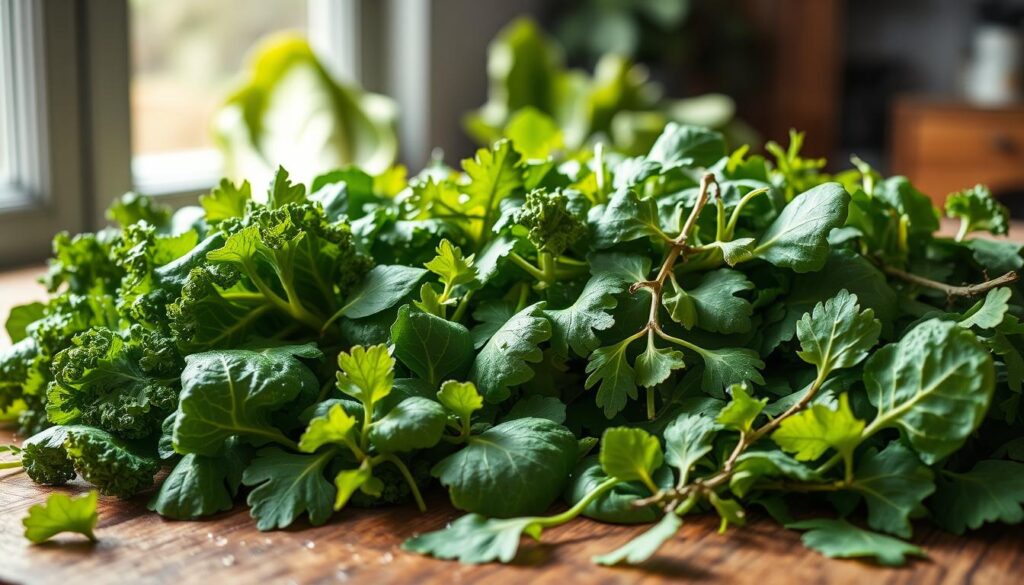
Leafy greens, packed with nitrates, offer a natural way to enhance blood flow and lower blood pressure. These vegetables are not only delicious but also play a crucial role in maintaining healthy circulation.
Spinach, Kale, and Arugula
Spinach, kale, and arugula are among the top leafy greens known for their high nitrate content. Adding these to salads, smoothies, or sautéed dishes can significantly boost your nitrate intake. Spinach, for instance, is rich in vitamins and minerals alongside its nitrates, making it a nutritional powerhouse.
Swiss Chard, Collard Greens, and Beet Greens
Swiss chard, collard greens, and beet greens are other nitrate-rich leafy greens that can enhance circulation. These greens are versatile and can be incorporated into a variety of dishes, from soups to stir-fries. Collard greens, in particular, are known for their robust nutritional profile.
The Nitric Oxide Connection
The nitrates in leafy greens are converted into nitric oxide in the body, a molecule that plays a crucial role in vascular health. Nitric oxide helps to relax the blood vessels, improving blood flow and lowering blood pressure.
How Nitrates Convert in Your Body
Nitrates from leafy greens are converted into nitric oxide through a series of reactions in the body. This process involves the reduction of nitrates to nitrites by oral bacteria, followed by further conversion to nitric oxide.
Effects on Blood Pressure and Vessel Dilation
The production of nitric oxide leads to the dilation of blood vessels, reducing blood pressure and enhancing circulation. Regular consumption of nitrate-rich leafy greens can lead to sustained improvements in vascular health.
| Leafy Green | Nitrate Content | Circulation Benefit |
|---|---|---|
| Spinach | High | Improves blood flow |
| Kale | High | Lowers blood pressure |
| Swiss Chard | Moderate to High | Enhances vascular health |
Root Vegetables That Enhance Blood Flow
The nutritional benefits of root vegetables extend to boosting blood flow, making them a vital part of a circulation-friendly diet. These underground treasures are rich in vitamins, minerals, and antioxidants that support vascular health.
Beets: The Circulation Superfood
Beets are particularly noteworthy for their high nitrate content, which the body converts into nitric oxide. Nitric oxide is a potent vasodilator that relaxes blood vessels, improving circulation. Consuming beets can lead to lower blood pressure and enhanced overall vascular function.
Carrots, Sweet Potatoes, and Radishes
Other root vegetables like carrots, sweet potatoes, and radishes also contribute to healthy circulation. Carrots are rich in vitamin A, while sweet potatoes are high in vitamin C and fiber. Radishes contain vitamin C and other antioxidants that help maintain vascular health.
Ginger and Turmeric: Circulation-Boosting Roots
Ginger and turmeric, both root-like in nature, have been used for centuries for their medicinal properties. Ginger improves circulation by warming the body and enhancing blood flow, while turmeric contains curcumin, which has potent anti-inflammatory effects that support vascular health.
Allium Vegetables for Vascular Strength
The Allium family, which includes garlic, onions, leeks, and shallots, is renowned for its vascular health benefits. These vegetables are rich in sulfur compounds, which have been shown to improve vascular health and support heart health.
Garlic and Its Sulfur Compounds
Garlic is particularly noted for its high concentration of sulfur compounds, such as allicin. Allicin has been shown to have a positive effect on cardiovascular health by reducing blood pressure and preventing the formation of blood clots.
Onions, Leeks, and Shallots
Onions, leeks, and shallots also contain sulfur compounds that contribute to vascular health. These vegetables can help improve blood flow and reduce inflammation in the blood vessels.
Research on Allium Vegetables and Heart Health
Studies have demonstrated that consuming Allium vegetables can reduce the risk of cardiovascular disease. A comparison of the effects of different Allium vegetables on heart health is shown in the table below:
| Vegetable | Key Compound | Benefit |
|---|---|---|
| Garlic | Allicin | Reduces Blood Pressure |
| Onions | Quercetin | Antioxidant Effects |
| Leeks | Kaempferol | Anti-inflammatory Effects |
Practical Ways to Include Circulation-Boosting Foods in Your Diet
Incorporating circulation-boosting foods into your diet can be simple and delicious. By making a few mindful choices, you can enhance your vascular health and overall well-being.
Simple Recipes and Meal Ideas
Start by adding circulation-boosting ingredients to your favorite recipes. For example, you can make a citrus and berry salad with oranges, strawberries, and spinach. Another idea is to sauté garlic and ginger with your favorite vegetables for a flavorful and healthy stir-fry.
Juicing and Smoothie Combinations
Juicing and smoothies are excellent ways to consume circulation-boosting foods. Try combining beetroot, apple, and ginger for a refreshing juice, or blend berries, banana, and spinach for a nutrient-packed smoothie.
Cooking Methods That Preserve Circulation-Boosting Nutrients
To maximize the benefits of circulation-boosting foods, it’s essential to cook them using methods that preserve their nutrients. Steaming and roasting are excellent methods as they help retain the vitamins and minerals in your vegetables.
Weekly Meal Plan for Better Circulation
Planning your meals in advance can help you consistently include circulation-boosting foods in your diet. Here’s a sample meal plan:
| Day | Breakfast | Lunch | Dinner |
|---|---|---|---|
| Monday | Berry smoothie | Spinach salad with citrus | Grilled salmon with roasted beets |
| Tuesday | Oatmeal with banana | Garlic and ginger stir-fry | Sweet potato and black bean soup |
By incorporating these practical tips into your daily routine, you can improve your circulation and enhance your overall health.
Complementary Lifestyle Factors for Optimal Circulation
Healthy blood circulation is supported not only by the food we eat but also by our overall lifestyle. While dietary changes are crucial, other factors play a significant role in maintaining optimal blood flow.
Exercise and Regular Movement
Regular physical activity is essential for improving circulation. Exercise helps strengthen the heart, improving its efficiency in pumping blood throughout the body. Activities such as walking, cycling, and swimming are excellent options.
Proper Hydration Practices
Adequate hydration is vital for maintaining blood fluidity and ensuring that blood vessels function properly. Drinking enough water throughout the day is crucial.
Habits to Avoid for Better Blood Flow
Certain habits can negatively impact circulation. Smoking is a significant risk factor for poor circulation, as it damages blood vessels and reduces blood flow. Avoiding smoking and limiting alcohol consumption can help maintain healthy circulation.
| Lifestyle Change | Impact on Circulation |
|---|---|
| Regular Exercise | Improves heart health and blood flow |
| Proper Hydration | Maintains blood fluidity and vessel function |
| Avoiding Smoking | Reduces vascular damage and improves blood flow |
When to Consult a Healthcare Professional
If you experience persistent symptoms of poor circulation, such as cold hands and feet, numbness, or tingling, it’s essential to consult a healthcare professional for proper evaluation and advice.
Conclusion: Nourishing Your Circulatory System Naturally
Nourishing your circulatory system naturally involves a combination of dietary changes and lifestyle adjustments. By incorporating circulation-boosting fruits and vegetables, such as berries, citrus fruits, and leafy greens, you can support vascular health. These foods are rich in essential vitamins, minerals, and antioxidants that help maintain healthy blood vessels and promote optimal blood flow.
Adopting a balanced diet that includes natural circulation boosters, along with regular exercise and proper hydration practices, can significantly enhance circulatory health. Avoiding habits that hinder vascular health, such as smoking and excessive salt consumption, is also crucial. By making informed choices about your diet and lifestyle, you can take a proactive approach to maintaining a healthy circulatory system.
By focusing on whole, nutrient-dense foods and a balanced lifestyle, you can support your overall circulatory health and well-being. This holistic approach can help you achieve optimal vascular function and reduce the risk of circulatory-related health issues.